
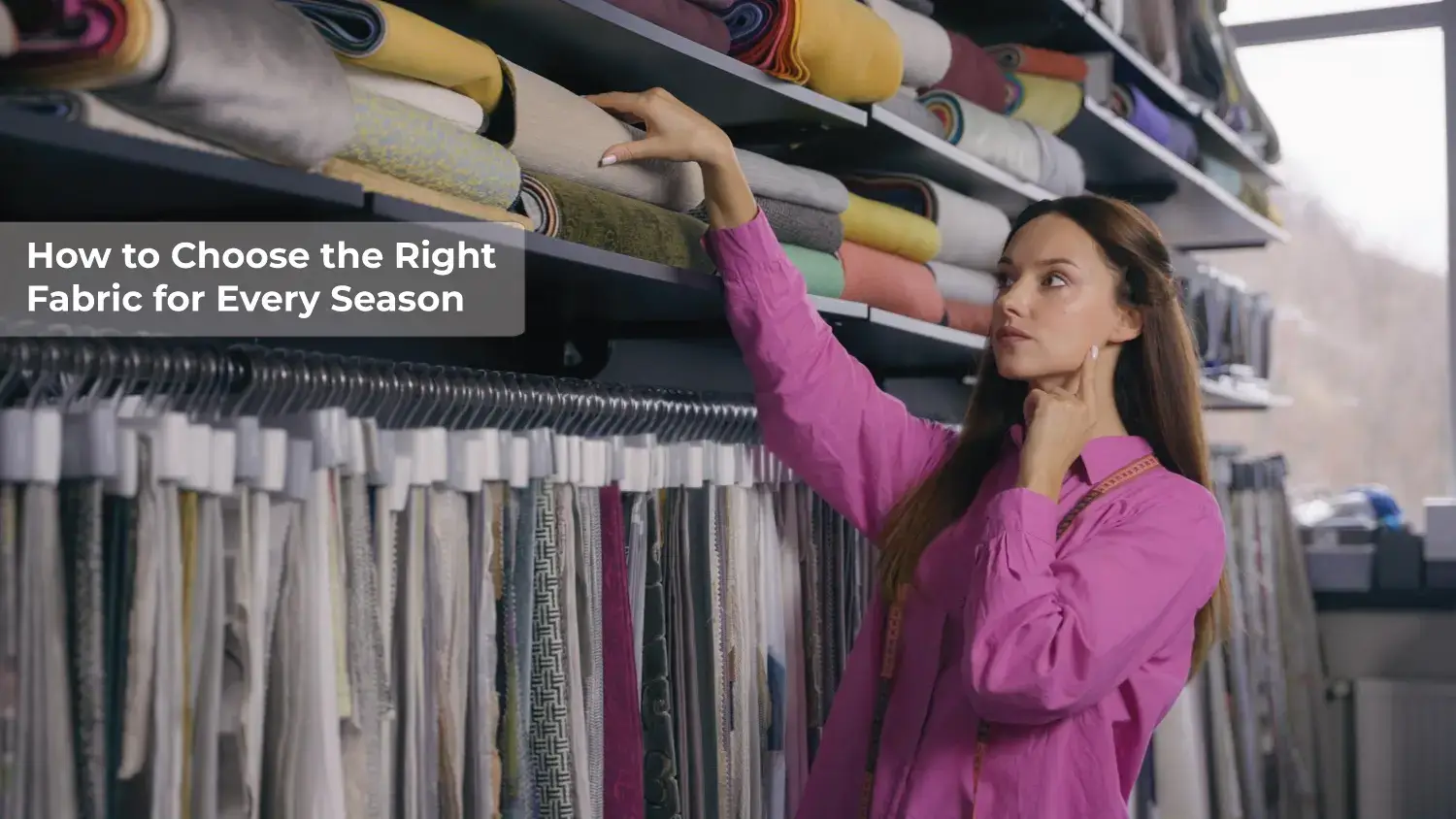
Choosing the right outfit is not just about color, fit, or trend-it begins with the fabric. The material touching your skin decides how comfortable, breathable, stylish, and confident you feel throughout the day. With climate changes, evolving fashion trends, and new textile innovations, understanding seasonal fabrics has become more important than ever.
Whether you’re dressing for scorching summers, chilly winters, unpredictable monsoons, or breezy spring days, the right fabric can completely transform your experience.
This complete guide will help you choose the perfect fabric for every season, while staying fashionable, practical, and future-ready.
Seasonal Fabric Selection
Fashion today is not just about looking good-it’s about feeling good too. A stylish outfit made from the wrong fabric can cause discomfort, sweating, irritation, or even skin problems.
Different seasons demand different textile properties:
- Breathability for heat
- Insulation for cold
- Moisture resistance for rain
- Flexibility for changing weather
Knowing what fabric suits which season allows you to build a wardrobe that is both functional and fashionable.
Why Fabric Choice Matters More Than Ever
Modern clothing has evolved beyond simple cotton and wool. Today’s fabrics are engineered for:
- Temperature regulation
- Sweat control
- UV protection
- Eco-friendliness
- Wrinkle resistance
- Durability
As fashion becomes more performance-driven and sustainability-focused, selecting the right fabric has become a core style skill.
Platforms like Style Genix Zone often highlight how smart fabric choices can instantly elevate both comfort and personal style.
Understanding Fabric Types: Natural vs Synthetic vs Blended
Before diving into seasons, it’s essential to understand fabric categories:
Natural Fabrics
Made from plants or animals:
- Cotton
- Linen
- Wool
- Silk
✔ Breathable
✔ Skin-friendly
✖ Can wrinkle easily
✖ May shrink
Synthetic Fabrics
Man-made fibers:
- Polyester
- Nylon
- Acrylic
- Spandex
✔ Durable
✔ Affordable
✔ Wrinkle resistant
✖ Less breathable
✖ May trap heat
Blended Fabrics
Combination of both:
- Cotton-polyester
- Wool-acrylic
✔ Balanced performance
✔ Cost-effective
✔ Versatile
Understanding this foundation helps you make smarter seasonal decisions.
Best Fabrics for Summer
Summer demands fabrics that are lightweight, breathable, and moisture-absorbing.
1. Cotton – The King of Summer
Cotton remains the most loved summer fabric:
- Highly breathable
- Soft on skin
- Absorbs sweat
- Easy to wash
Best for:
- Daily wear
- T-shirts
- Shirts
- Dresses
- Kurtas
2. Linen – Ultimate Cooling Fabric
Linen is ideal for extreme heat:
- Allows maximum airflow
- Dries quickly
- Natural texture looks stylish
- Feels light on the body
Perfect for:
- Vacation outfits
- Office casuals
- Summer suits
3. Rayon / Viscose
Made from natural cellulose but processed:
- Silk-like softness
- Breathable
- Budget-friendly
- Flowy appearance
Great for:
- Casual dresses
- Tops
- Ethnic wear
4. Chambray
Often mistaken for denim:
- Much lighter
- Breathable
- Stylish
- Durable
Avoid in Summer:
- Heavy polyester
- Denim
- Leather
- Thick synthetic blends
Best Fabrics for Monsoon / Rainy Season
Rainy seasons require fabrics that dry fast and resist odor.
1. Polyester
- Water resistant
- Wrinkle-free
- Quick drying
- Maintains shape
2. Nylon
- Lightweight
- Dries quickly
- Ideal for travel and outdoor wear
3. Blended Cotton
Better than pure cotton in monsoon:
- Faster drying
- Less odor retention
- Easy maintenance
Avoid:
- Heavy cotton
- Silk
- Suede
- Thick denim
Best Fabrics for Winter
Winter clothing focuses on heat retention and insulation.
1. Wool – The Winter Essential
- Natural insulator
- Breathable
- Moisture-wicking
- Long-lasting
Types:
- Merino wool (soft)
- Cashmere (luxury)
- Sheep wool (durable)
2. Fleece
- Lightweight
- Soft
- Affordable
- Excellent heat retention
3. Velvet
- Thick texture
- Rich appearance
- Fashion-forward
4. Leather & Suede
- Wind resistant
- Stylish
- Long-lasting
Layering Tip:
Combine thermal cotton inside + wool outside for best warmth.
Best Fabrics for Spring & Autumn
These transitional seasons need versatile fabrics.
Ideal choices:
- Cotton blends
- Lightweight wool
- Rayon
- Denim
- Knitted cotton
These fabrics:
- Adapt to temperature changes
- Work well for layering
- Maintain comfort throughout the day
How Fashion Trends Are Changing Fabric Preferences
The clothing industry is constantly evolving.
Modern trends include:
1. Breathable Performance Fabrics
Sportswear-inspired materials that:
- Control sweat
- Regulate temperature
- Stretch easily
Used now in casual and formal clothing too.
2. Wrinkle-Free Office Fabrics
Busy lifestyles demand:
- Low maintenance
- Travel-friendly materials
- Structured blends
3. Gender-Neutral Textiles
Soft, flexible fabrics used across all fashion categories.
4. Climate-Responsive Fabrics
Smart textiles adjust warmth or ventilation depending on body temperature.
Fashion today merges technology + comfort + aesthetics.
Sustainable and Smart Fabrics: The Future of Clothing
Sustainability is shaping the future of fashion.
Popular Eco-Friendly Fabrics:
- Organic cotton
- Bamboo fabric
- Hemp
- Tencel / Lyocell
- Recycled polyester
Benefits:
- Lower carbon footprint
- Skin-friendly
- Biodegradable
- Ethical production
Smart Fabrics (Emerging Trend):
- Temperature-regulating fibers
- Odor-resistant textiles
- UV-protective clothing
- Anti-bacterial fabrics
These innovations allow fashion lovers to stay stylish while supporting the planet.
Tips to Choose the Right Fabric While Shopping
Always consider:
✔ Climate
✔ Occasion
✔ Skin sensitivity
✔ Activity level
✔ Maintenance needs
✔ Budget
Simple Fabric-Checking Tricks:
- Touch test – feel softness and thickness
- Stretch test – check flexibility
- Light test – hold against light for breathability
- Label reading – check composition
Common Fabric Mistakes to Avoid
? Buying trendy fabric without seasonal suitability
? Choosing synthetic in extreme heat
? Ignoring washing instructions
? Not considering skin allergies
? Prioritizing look over comfort
Style should never compromise health or confidence.
Final Thoughts
Choosing the right fabric for every season is a powerful style upgrade. It improves:
- Comfort
- Appearance
- Confidence
- Longevity of clothes
- Environmental impact
Fashion is no longer just visual-it’s experiential. By understanding fabrics, you gain full control over how your clothing performs, feels, and represents you.
As clothing trends continue to evolve, fabric awareness will remain a timeless skill for every modern wardrobe builder.
For more fashion insights, fabric guides, and seasonal styling strategies, platforms like Style Genix Zone continue to inspire conscious and stylish choices in the ever-changing world of clothing.
FAQs
Which fabric is best for all seasons?
Cotton blends are the most versatile for year-round use due to breathability and adaptability.
Is polyester bad for summer?
Pure polyester can trap heat, but modern breathable blends can be comfortable if designed properly.
What fabric is best for sensitive skin?
Organic cotton, bamboo, and silk are ideal for sensitive skin.
How can I tell fabric quality while shopping online?
Check fabric composition, GSM (if available), reviews, and brand transparency.
Are sustainable fabrics durable?
Yes. Fabrics like hemp, bamboo, and organic cotton are long-lasting when properly cared for.
Do expensive fabrics always mean better quality?
Not necessarily. Quality depends on weaving, fiber source, and processing, not just price.