
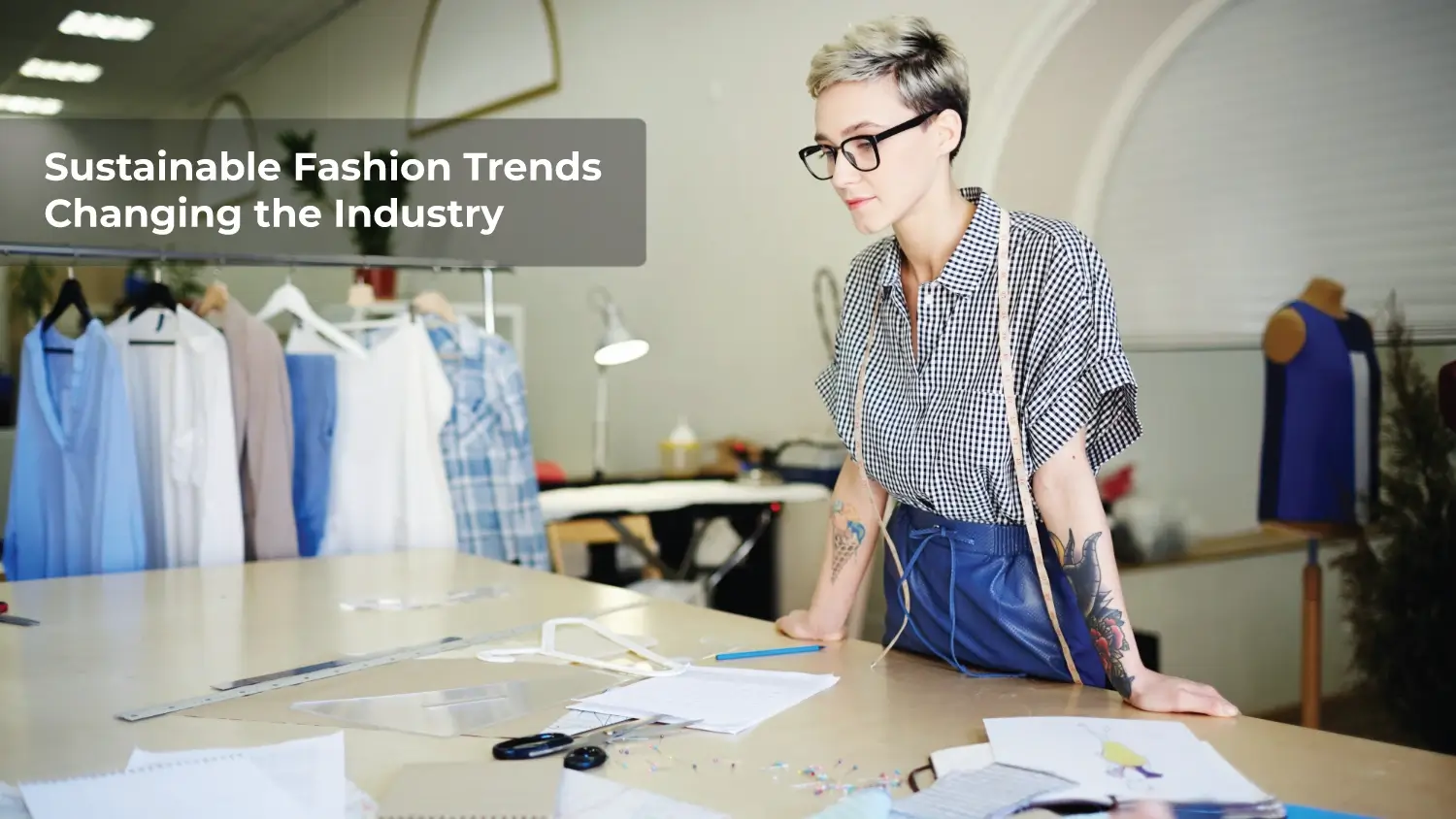
Sustainable fashion is no longer a niche concept discussed only among environmental activists or luxury designers experimenting with eco-friendly fabrics. It has become a powerful movement that is reshaping how clothes are designed, produced, marketed, and consumed. As climate concerns grow and consumers become more conscious about the impact of their choices, the fashion industry is undergoing a major transformation.
From recycled materials and ethical manufacturing to circular fashion models and digital innovation, sustainability is now one of the strongest forces driving modern style. Fashion lovers want to look good while also doing good for the planet, and brands are responding with creativity, transparency, and technology.
In this detailed guide, we explore the most important sustainable fashion trends changing the industry today, why they matter, and how they are influencing the future of global style.
Sustainable Fashion
Sustainable fashion focuses on reducing the negative impact of clothing production and consumption on the environment, workers, and communities. It includes ethical sourcing, eco-friendly materials, fair wages, low waste production, and responsible shopping habits.
Unlike traditional fashion models that prioritize speed and low cost, sustainable fashion values long-term impact, quality, and environmental responsibility. This shift is not only changing how brands operate but also how customers define style and value.
Why Sustainability Matters in the Fashion Industry
The fashion industry is one of the largest polluters in the world. It consumes huge amounts of water, energy, and chemicals while generating massive textile waste. Millions of garments end up in landfills every year, contributing to environmental damage and climate change.
Key challenges include:
- Water pollution from textile dyes
- High carbon emissions
- Poor working conditions in factories
- Overproduction and waste
- Use of non-biodegradable synthetic fibers
Sustainable fashion aims to solve these problems by redesigning the system from raw material to retail shelf.
Rise of Eco-Friendly Fabrics and Materials
One of the most visible sustainable fashion trends is the use of eco-friendly fabrics. Designers and manufacturers are replacing traditional materials with greener alternatives that require fewer resources and produce less pollution.
Popular sustainable materials include:
- Organic cotton
- Hemp
- Bamboo fabric
- Recycled polyester
- Tencel (lyocell)
- Piñatex (pineapple fiber leather)
- Mushroom leather
These materials reduce water usage, limit chemical exposure, and lower carbon footprints. They also appeal to eco-conscious shoppers who want transparency about what they wear.
Circular Fashion and Recycling Culture
Circular fashion is changing the industry by promoting reuse, repair, recycling, and redesign instead of constant disposal.
Circular fashion includes:
- Garment recycling programs
- Upcycling old clothes into new designs
- Take-back schemes by brands
- Designing clothes for long-term durability
This approach extends the life cycle of clothing and reduces textile waste significantly. It encourages consumers to think of fashion as a long-term investment rather than a short-lived trend.
Ethical Manufacturing and Fair Trade Practices
Sustainability is not only about the environment but also about people. Ethical fashion ensures safe working conditions, fair wages, and respect for workers’ rights.
Brands are increasingly partnering with certified factories, supporting artisan communities, and auditing their supply chains to eliminate exploitation.
Consumers today want to know:
- Who made their clothes
- Where they were produced
- Under what conditions
Transparency builds trust and loyalty while pushing the entire industry toward better standards.
Slow Fashion vs Fast Fashion
Fast fashion is known for producing cheap clothing quickly to follow trends. While it makes fashion affordable, it also creates massive waste and environmental harm.
Slow fashion, on the other hand, focuses on:
- High-quality materials
- Timeless designs
- Limited production
- Ethical labor practices
- Long-lasting garments
More consumers are choosing slow fashion to reduce their environmental footprint and build meaningful wardrobes.
Digital Fashion and Technology in Sustainability
Technology is playing a major role in transforming sustainable fashion.
Innovations include:
- 3D design software to reduce fabric waste
- AI for demand prediction
- Virtual fashion shows
- Digital clothing for social media
- Blockchain for supply chain tracking
These tools reduce unnecessary production, improve efficiency, and allow brands to test designs without physical samples.
Minimalism and Capsule Wardrobes
Minimalism promotes owning fewer, better-quality items instead of overflowing closets.
A capsule wardrobe includes:
- Neutral colors
- Versatile pieces
- Seasonal essentials
- Easy-to-mix outfits
This trend supports sustainability by lowering consumption and encouraging thoughtful purchases. It also simplifies daily styling while maintaining elegance and comfort.
Local Production and Small-Batch Fashion
Many sustainable brands are moving toward local manufacturing and small production runs to reduce transportation emissions and waste.
Benefits include:
- Better quality control
- Faster feedback
- Reduced carbon footprint
- Support for local economies
Small-batch fashion prevents overstocking and promotes uniqueness.
Second-Hand, Rental, and Resale Boom
The resale market is growing rapidly as consumers embrace thrift shopping and clothing rental services.
Popular options include:
- Online thrift platforms
- Clothing rental subscriptions
- Vintage stores
- Peer-to-peer resale apps
This trend extends garment life, reduces demand for new production, and offers affordable access to high-quality fashion.
Transparency and Supply Chain Traceability
Modern shoppers demand honesty. Brands now share information about sourcing, labor practices, and environmental impact.
Tools like QR codes and blockchain allow customers to track a product’s journey from raw material to finished garment.
Transparency builds credibility and sets responsible brands apart from competitors.
Role of Consumers in Sustainable Fashion
Consumers play a powerful role in shaping fashion trends.
Simple actions include:
- Buying fewer but better-quality clothes
- Supporting ethical brands
- Repairing instead of replacing
- Recycling old garments
- Avoiding impulse shopping
Platforms like Style Genix Zone actively promote awareness around sustainable fashion choices and inspire readers to stay stylish while being environmentally responsible.
Future of Sustainable Fashion Trends
The future of fashion is clearly green.
Expected developments include:
- Fully biodegradable fabrics
- Carbon-neutral brands
- Advanced recycling technology
- Smart clothing
- Stronger sustainability regulations
Sustainable fashion will continue to evolve as innovation meets responsibility. It will become the standard, not the exception.
Conclusion
Sustainable fashion trends are not just changing how clothes are made-they are redefining the entire industry’s values. From eco-friendly materials and ethical manufacturing to digital innovation and mindful consumer behavior, sustainability is now deeply woven into modern style.
As awareness grows, brands and shoppers alike are realizing that fashion can be beautiful, creative, and responsible at the same time. By embracing these trends, the industry moves closer to a future where style and sustainability coexist harmoniously.
Whether you are a fashion enthusiast, brand owner, or everyday shopper, staying informed through platforms like Style Genix Zone helps you make smarter, more sustainable choices without sacrificing personal style.
FAQs
What is sustainable fashion in simple terms?
Sustainable fashion means making and buying clothes in ways that protect the environment, respect workers, and reduce waste.
Is sustainable fashion more expensive?
Some items may cost more upfront, but they usually last longer, saving money over time and reducing environmental damage.
How can I start building a sustainable wardrobe?
Begin by buying fewer clothes, choosing quality over quantity, supporting ethical brands, and using second-hand options.
Are recycled fabrics durable?
Yes, many recycled materials like recycled polyester are strong, long-lasting, and suitable for everyday wear.
Can fast fashion ever become sustainable?
Fast fashion brands can adopt sustainable practices, but true sustainability requires reducing overproduction and focusing on quality and ethics.
Why is sustainable fashion important for the future?
It helps protect natural resources, reduce pollution, improve working conditions, and create a healthier planet for future generations.